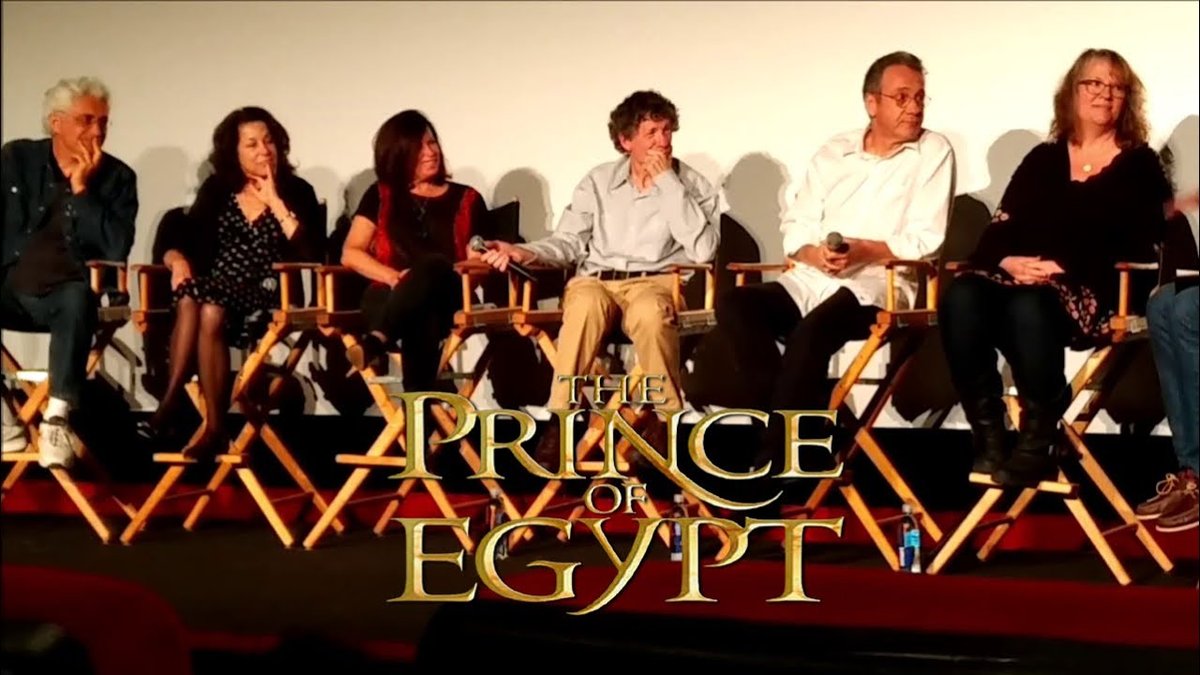
From the early flicker of flipbooks to the breathtaking realism of CGI, animation is a boundless art form that captivates millions. But behind every frame of wonder lies a meticulously orchestrated symphony of talent, guided by Key Directors, Animators & Producers (Both Versions)—a diverse group of visionaries and craftspeople whose specific roles, while unified by the goal of storytelling, can vary significantly depending on the production pipeline, be it a Western feature film or a sprawling Japanese anime series. Understanding these crucial positions is like peering into the very engine room of imagination, revealing how stories move from concept to screen.
At a Glance: The Masters of Motion
- Key Animators (Western Context): Senior artists, often with 3+ years experience, who design pivotal character movements, guide junior animators, and often act as a stepping stone to directing. They command higher salaries and require strong technical and leadership skills.
- Directors: The ultimate creative visionaries. A Series Director oversees an entire animated show, while an Episode Director focuses on individual installments. In film, they might be credited as "supervising director" or "film director."
- Producers: The strategic and financial backbone. They secure funding, manage budgets, ensure marketability, and oversee the entire business aspect of a production, from initial concept to final delivery.
- Japanese Anime Specifics: The production pipeline is highly specialized, breaking down roles into granular detail across development, pre-production, production, and post-production, featuring unique positions like "Series Composition," "Supervising Director of Animation," and various "Managers" for each department.
- Career Growth: The animation industry is projected to grow by 8%, driven by demand across media. While competitive, opportunities abound for those with diverse skills and a solid educational foundation.
The Maestro of Movement: Understanding the Key Animator's Role (Western Context)
When we talk about "Key Animators" in the Western animation world, we're not just referring to someone who draws well. This is a senior-level position, often synonymous with "Senior Animator," a coveted role typically earned after at least three years of dedicated work as an animator. Think of them as the lead dancers of an animation sequence, setting the pace, emotion, and fundamental movements that define a scene.
The Journey to Key: From Animator to Leadership
Reaching the rank of Key Animator is a significant milestone, a testament to an artist's skill, consistency, and ability to lead. It's often seen as a direct stepping stone to even higher creative positions, like becoming a director. This role demands more than just drawing expertise; it requires a deep understanding of storytelling, character psychology, and the technical intricacies of animation.
Core Responsibilities: Beyond the Drawing Board
A Key Animator wears multiple hats, blending creative artistry with crucial management and directing tasks. Their day-to-day might involve:
- Character Development: They help shape the main characters, ensuring their movements, expressions, and overall performance align with the director's vision and the character's personality. This involves creating the crucial "keyframes" that define a character's action.
- Guiding Junior Crews: During pre-production, Key Animators often mentor and guide junior animators, providing feedback and ensuring that their work adheres to the established style and quality.
- Rigging Collaboration: They work closely with riggers and model makers to ensure that character models and puppets are properly rigged, meaning they have the digital "skeletons" that allow for fluid and expressive movement. This collaboration is vital for efficient workflow.
- Timeline and Budget Management: In conjunction with the director, Key Animators help manage production timelines and budgets for their specific sequences, ensuring that creative goals are met within practical constraints.
Where Talent Takes Flight: Industry Landscape
Key Animators primarily find their calling within:
- Animation Studios: The traditional home for animated features and series.
- Motion Picture and Video Production Companies: Working on animated sequences for live-action films or producing purely animated content.
- Gaming Companies: Crafting the fluid character animations that bring video games to life.
- Advertising or Marketing Firms: Creating animated commercials or promotional content.
Market Outlook and Compensation: A Lucrative Path
The job outlook for multimedia artists and animators, a category that includes Key Animators, is quite positive, projected to grow by 8% from 2016-2026. This growth is fueled by an insatiable demand for animation and visual effects across video games, movies, television, and mobile devices. However, it's a competitive field, and opportunities are best for those who can offer a diverse skill set or specialize in a niche area. The U.S. currently boasts a significant workforce of 73,700 multimedia artists and animators.
Financially, Key Animators generally reside at the higher end of the pay scale for animators. While the median annual wage for animators is $72,520 (with a mean of $78,230), the top 10% can earn over $124,310. Those working in the motion picture and video industries, for instance, earn an average of $86,080. Salaries, of course, fluctuate based on experience, company size and type, and geographical location. Connecticut, Washington, the District of Columbia, California, and New York lead the pack in average salaries for animators.
The Educational Blueprint: Skills and Degrees
Becoming a Key Animator requires a robust foundation:
- Education: A minimum 4-year degree (BA, BFA, or BS) in Animation, Digital Arts, Media Arts, or Computer Science (with an animation emphasis) is typically the starting point.
- Experience: Beyond the degree, at least three years of experience as an animator are required to even be considered for a Key Animator role. Many top studios prefer candidates with five to seven years of professional experience, along with demonstrated business management and leadership skills.
- Advanced Degrees: For those aiming for the very top, an advanced degree (MFA or PhD) can be a significant advantage.
- Technical Proficiency: Advanced tech skills in relevant software (e.g., Maya, Blender, Toon Boom Harmony, ZBrush, Adobe Creative Suite) are non-negotiable.
Behind the Scenes: A Deep Dive into Animation Production Roles (Japanese Anime Context)
While the Western model often funnels specific roles into broader categories, Japanese anime production typically embraces a highly specialized, granular division of labor. This intricate ecosystem ensures meticulous attention to detail and a high volume of output. The entire process is generally broken down into four distinct phases: Series Development & Planning, Pre-Production, Production, and Post-Production.
Phase 1: Series Development & Planning
This initial phase sets the strategic and creative direction for the entire series. It’s where ideas are born, funding is secured, and the overarching vision is established.
- Original Author: This credit acknowledges the source material creator (e.g., Akira Toriyama for Dragon Ball). While foundational, it doesn't necessarily imply direct involvement in the anime's production.
- Production: These credits go to the main companies providing funding, conceptual input, and overall oversight. A "Production Coordination" credit denotes a senior supervising company.
- Planning: Executives in this role develop the core adaptation plan, selecting key story arcs, identifying crucial staff (like the series director or composer), and crafting a strategic roadmap for the project.
- Producer: Representing the planning and production companies, the Producer is the business and marketability expert. They ensure that the anime meets commercial objectives and audience expectations, managing the financial and logistical backbone of the project.
- Public Relations: This team manages the flow of information to the public, handling publicity, advertising, and relaying vital public feedback back to the production team.
Phase 2: Pre-Production: Laying the Blueprint
Once the broad strokes are set, pre-production dives into the detailed planning for each individual episode. This is where the story truly begins to take visual form.
- Series Composition: This vital role determines the overall series plot, drafts episode overviews, and assigns scriptwriters. For adaptations of manga, they meticulously oversee filler stories to maintain narrative consistency and pacing.
- Script Writer: Under the guidance of the Series Composer and Director, these writers craft the dialogue and narration for specific episodes.
- Series Director: The creative linchpin for the entire series, the Series Director oversees the overall look, feel, and artistic direction. They approve most production aspects, often assist in storyboard creation, and provide comprehensive creative supervision. For feature films, this role might be credited as "supervising director."
- Storyboard: This is the visual script – sequential drawings that detail major scenes, dialogue, music cues, and camera work. It serves as a comprehensive visual guide for the animation team, outlining every shot and action.
- Episode Director: Focusing on a single episode, this director acts as the crucial liaison between the Series Director and the episode's staff. Their responsibilities are vast: drawing storyboards, checking animation, setting up scenes, supervising music, attending voice recordings, and overseeing the final editing for their episode. In films, they may be credited as "film director."
- Character Design: These artists create the detailed animation character designs and model sheets, which show characters from various perspectives, with different expressions and poses. These sheets are essential references for animators. Historically, this role was part of the "Chief Animator" position, but it has since become distinct.
- Character Draft: This credit recognizes individuals who provide the initial rough character drawings that serve as the foundation for the finalized character designs.
- Supervising Director of Animation: This senior role manages all aspects of animation quality for the series. Often, this individual also serves as the character designer. They perform the final quality check and approval of all animation across the series. This position evolved from the earlier "Chief Animator" title.
- Art Design: The Art Designer supervises the art department, developing the overall visual aesthetic of the series. They create detailed designs for locations, items, vehicles, and other elements, compiling these into a "set pack" for use during production. This role was formerly known as "Chief Designer."
- Color Setting / Color Design: This role establishes the primary color palette for the entire series, working closely with the series director to ensure the colors align with the desired mood and visual tone.
Phase 3: Production: Bringing Drawings to Life
This is where the actual animation magic happens, where the detailed plans from pre-production are transformed into moving images.
- Production Manager: This individual is the logistical mastermind, managing all production processes, schedules, budgets, and milestones. They ensure everything runs smoothly but typically have no direct creative input.
- Assistant Production Manager: Supporting the Production Manager, they handle day-to-day operations, coordinate departments, track progress, deliver materials, and manage administrative tasks.
- Assistant Director: This role supports the Episode Director with various tasks and errands. Many Assistant Directors also serve as Episode Directors themselves, gaining valuable experience.
- Assistant Producer: Representing the main producers, they track schedules and act as a crucial liaison between various departments and the higher-level producers.
- Chief Animation Supervisor: A second layer of quality control, this supervisor corrects drawings before the final review and oversees the overall animation quality for an episode, often managing other animation supervisors.
- Animation Supervisor: This is the primary quality control layer for a given episode. They meticulously check and correct key animator layouts and drawings, ensuring that characters remain "on-model" and consistent throughout their movements.
- Assistant Animation Supervisor: They assist the Animation Supervisor, helping to meet deadlines, potentially overseeing complex sequences, or contributing key animation themselves.
- Key Animation: These talented artists draw the pivotal frames that define a scene's motion and emotional beats. They create detailed layouts, which are blueprints for character and scenery positioning, camera framing, and overall action. It's crucial to distinguish this from the "Key Animator" role in the Western context; here, "Key Animation" refers to the work performed by skilled animators, not necessarily a senior leadership title like in the West.
- In-Between Animation: Taking the keyframes from the Key Animation team, these artists draw the intermediate frames, creating smooth transitions between the pivotal poses. They meticulously trace and clean lines based on timing sheets provided.
- CG Director: This role supervises, manages, and reviews all aspects of the computer graphics department, assigning scenes and determining the technical approaches to achieve the desired CG visuals and integration.
- CG Manager: Manages the business operations of the CG department, including scheduling, budget tracking, and monitoring artists and animators, particularly for outsourced work.
- Digital Artist: Utilizes CG technology to render 2D or 3D artwork and effects, supplementing traditional animation with dynamic digital elements.
- CG Animator: Compiles and renders entire scenes or shots using only computer graphics technology, creating fully digital sequences.
- Art Director: For an episode, the Art Director supervises and manages the art department, specifically focusing on background artwork. They assign scenes, guide the artistic style, produce background art, and review it for consistency.
- Art Manager: Manages the business operations of the art department, coordinating schedules, tracking budgets, and monitoring background artists, especially for outsourced work.
- Backgrounds: These artists create the intricate scene background artwork, typically based on the layouts provided by key animators. While historically traditional painting, modern production often involves digital editing.
- Color Selection: Assigns the specific color palette for each individual scene, ensuring perfect consistency with the main palette established by the Color Designer.
- Finishing Manager: Manages the business operations of the finishing department, coordinating schedules, budgets, and monitoring artists, especially for outsourced work.
- Inspection / Finishing Inspection: A crucial quality control step, double-checking all finished artwork for proper coloring and consistency. This is often performed by a finishing touches artist or color selector.
- Finishing Touches / Digital Coloring: Artists apply the final touches to the animation. Traditionally this involved tracing onto celluloid and painting; now, it's primarily digital painting and a final double-check of completed drawings.
Phase 4: Post-Production: The Final Polish
With the animation complete, post-production brings everything together, adding sound, music, and effects to create the final cinematic experience.
- Audio Director: The Audio Director makes all final audio decisions, directs voice recording sessions, and confirms music selections, ensuring auditory excellence.
- Music: This credit goes to the main musical composer responsible for the incidental music and score that elevates the emotional impact of the series.
- Music Selection: Historically, this role involved organizing, cataloging, selecting, and placing musical tracks based on the script and timing. In modern digital production, this function is largely absorbed by the Audio Director.
- Recording Director: Manages the voice recording sessions, catalogs recordings, operates equipment, and expertly mixes audio tracks (dialogue, music, sound effects) in collaboration with the Audio and Episode Directors.
- Sound Effects Editor: Collects, creates, selects, and edits sound effects based on the script and storyboard, developing detailed cue sheets for the Audio Director to implement.
- Voice Performances: This section lists the talented voice cast and the characters they bring to life.
- Special Effects / Digital Special Effects: Artists produce distinct visual effects (e.g., wind, smoke, explosions, energy attacks, auras) using traditional techniques (dry-brushing, airbrushing, filters) or modern computer software (shading, textures, gleans).
- Director of Photography: For larger productions, this director supervises overall compositing, guiding photographers on lighting, focusing, and camera work to establish the desired atmosphere and visual mood.
- Photography / Digital Photography: This crucial team compiles and "photographs" (renders) every single frame of animation. Traditionally, this meant layering cels over backgrounds and shooting onto film; modern methods use specialized compositing software to create digital images and sophisticated virtual camera work. This is where the magic of a scene like a character's dramatic entrance in Lilo and Stitch filming would come together, combining layers of animation and background.
- Editing: This involves joining the photographed or rendered sequences into a cohesive narrative. While traditionally it meant physically manipulating film reels, modern methods employ non-linear digital video editing software to combine sequences and export a master video file.
- Online Editing: The final, meticulous step where all audio and video components are combined in linear video editing software to create the lossless master video file for archiving and distribution, ready for audiences worldwide.
Bridging the Worlds: Common Threads & Distinct Approaches
While the terminology and specific divisions of labor may differ, the core functions across Western and Japanese animation productions share many commonalities. Both rely on a strong creative vision from directors, meticulous planning by producers, and the artistic talent of animators and supporting artists.
The "Key Animator" in the Western sense, a senior individual with creative and leadership responsibilities, finds its counterparts in the highly skilled "Key Animation" artists within the Japanese pipeline, who draw the pivotal frames, but also in the "Chief Animation Supervisor" or "Supervising Director of Animation" who oversee the overall quality and consistency. The producer's role, focused on business, budget, and marketability, is universally vital.
The Japanese system, with its highly specialized roles, particularly shines in its ability to manage the immense workload of weekly series, ensuring a consistent output through a deeply distributed creative effort. Western productions, especially feature films, might see individuals taking on broader responsibilities, but the underlying tasks remain the same.
Regardless of the version, the success of any animated project hinges on seamless collaboration, clear communication, and an unwavering commitment to bringing imaginative worlds to life.
Your Path into Animation: Practical Steps & Insights
The animation industry is a dynamic and rewarding field, but it demands dedication, skill, and persistence. If you're aspiring to become one of these key directors, animators, or producers, here's some practical guidance:
- Build a Strong Foundation: A bachelor's degree in animation, digital arts, or a related field is almost always a prerequisite. Focus on programs that emphasize both artistic fundamentals (drawing, composition, storytelling) and technical proficiency (software mastery).
- Specialize Your Skills: While a broad understanding is good, the industry often seeks specialists. Do you excel at character animation, rigging, background art, or visual effects? Develop a niche.
- Cultivate a Stellar Portfolio/Reel: This is your calling card. Showcase your best work, highlight your specialized skills, and demonstrate your storytelling ability. Keep it updated and tailored to the types of roles you're seeking.
- Network Relentlessly: Attend industry events, connect with professionals on LinkedIn, and seek out internships. Networking can open doors to mentorships and job opportunities that might not be publicly advertised.
- Master the Software: Proficiency in industry-standard tools like Autodesk Maya, Blender, Toon Boom Harmony, Adobe Creative Suite (Photoshop, After Effects, Premiere Pro), ZBrush, and Substance Painter is essential.
- Understand the Business: For aspiring producers or those aiming for leadership roles, understanding production pipelines, budgeting, scheduling, and intellectual property is crucial.
- Be Prepared for Competition: It's a popular field, so differentiate yourself with unique skills, a strong portfolio, and a proactive attitude.
- Embrace Lifelong Learning: Technology and artistic styles evolve rapidly. Stay curious, practice continuously, and be open to learning new techniques and software.
A Career in Motion: What Next?
Whether your dream is to shape the narrative as a Series Director, bring characters to life as a Key Animator, or strategically steer an entire production as a Producer, the world of animation offers a vibrant career path. It's a field that marries immense creativity with rigorous technical skill and demanding project management.
By understanding the intricate ecosystem of roles—from the high-level decision-making of producers and directors to the frame-by-frame artistry of animators and the detailed oversight of supervisors—you can better navigate your own journey. Embrace the complexity, hone your craft, and find your unique voice in this captivating industry. The next big animated story is waiting for talented individuals like you to bring it to the screen.